How to Start Remote Work in India (Step-by-Step Guide for Beginners in 2026)
- wandering daydreamers
- Apr 9
- 6 min read

Updated: Apr 14
So you want to work Remotely. Now what?
Everyone often talks and pines about remote work. Your college friend is working from a café in Goa. Your LinkedIn feed is full of people posting about "working from anywhere." And you're sitting there wondering - is this actually possible for me, or is it just a lifestyle for a privileged few?
The honest answer?
It's more accessible than ever - but it's not as simple as just "getting a laptop and working from home." There's a path to it, and I'm going to lay it all out clearly for you.
Whether you're a fresh graduate, a professional looking to escape the 9-to-5, or a freelancer trying to go fully remote - this is your starting point.
First, understand what remote work actually means
Remote work isn't one thing. It falls into two broad buckets:
Remote Employment - You're hired by a company as a full-time or part-time employee, but you're not tied down to an office location; you work from home or anywhere with internet.
Freelancing / Independent Contracting - You work for multiple clients on a project basis. You set your own hours, rates, and workload.
Both are legitimate. Both have trade-offs. (For a deeper comparison, read: Remote Job vs Freelancing in India – Which Pays More in 2026?)
Factor | Remote Employment | Freelancing |
|---|---|---|
Stability | High - fixed monthly salary, predictable income | Low to Medium - income varies month to month |
Income Potential | Capped - limited by your salary band and appraisal cycles | Uncapped - scales with clients, skills, and rates |
Flexibility | Medium - remote but often bound to fixed hours and meetings | High - you set your hours, workload, and clients |
Tax Structure | Simpler - TDS deducted by employer, Form 16 provided, file ITR-1 | More complex - file ITR-3 or ITR-4, track expenses, GST applicable above ₹20L turnover |
Benefits (PF, ESI etc.) | Yes - employer contributions included | None - you fund your own insurance and savings |
Client Management | Not required - single employer relationship | Ongoing - you pitch, negotiate, and retain clients yourself |
Career Growth | Structured - promotions, appraisals, learning budgets | Self-driven - you build your own path and reputation |
Getting Started | Harder - competitive hiring process | Easier - can start with one client or project |
Step 1: Identify a skill that has remote demand
This is where most beginners get stuck - they want remote work but don't know what to offer. Here's the reality: you need a skill that someone is willing to pay for online.
Some of the most in-demand remote skills in India right now:
AI Product & Prompt Strategist
Software Engineer (Specialized)
Data Analyst & Decision Specialist
UX/UI, Product Design and Graphic Design
Digital Marketing Strategist (SEO, Paid Ads, Social Media)
Web Development (Frontend/Backend)
Photography, Photo Editing and Video Editing (yes, this counts)
Step 2: Build a Portfolio Before You Apply for Anything
DO NOT go straight to job boards or freelance platforms with zero proof of work and wonder why no one responds.
Clients don't hire resumes. They hire evidence.
How to build a portfolio from scratch:
Do 2-3 sample projects, even if unpaid, just to demonstrate your skill.
Create a simple portfolio website (use Notion, Wix, or Behance - free options work fine to start).
Document your process, not just the end result.
If you've done any college projects, internships, or personal work - package them properly.

Step 3: Choose the Right Platform to Find Remote Work
Once you have a skill and basic portfolio, it's time to find work. Here are your main options:
For Freelancers:
Platform | Best For | Competition Level |
|---|---|---|
Upwork | Writing, Design, Dev, Marketing | High |
Fiverr | Quick gigs, creative services | High |
Toptal | Developers, designers (vetted) | Low (hard to get in) |
PeoplePerHour | European clientele | Medium |
Internshala | India-based freelance & internships | Medium |
Direct client outreach | Low (underused) |
For Remote Jobs (Employment):
LinkedIn Jobs (filter: Remote)
Naukri Remote
We Work Remotely
Remote.co
AngelList (for startups)
Pro tip: Don't spread yourself across every platform. Spray and pray rarely succeeds. Pick one or two and go deep.
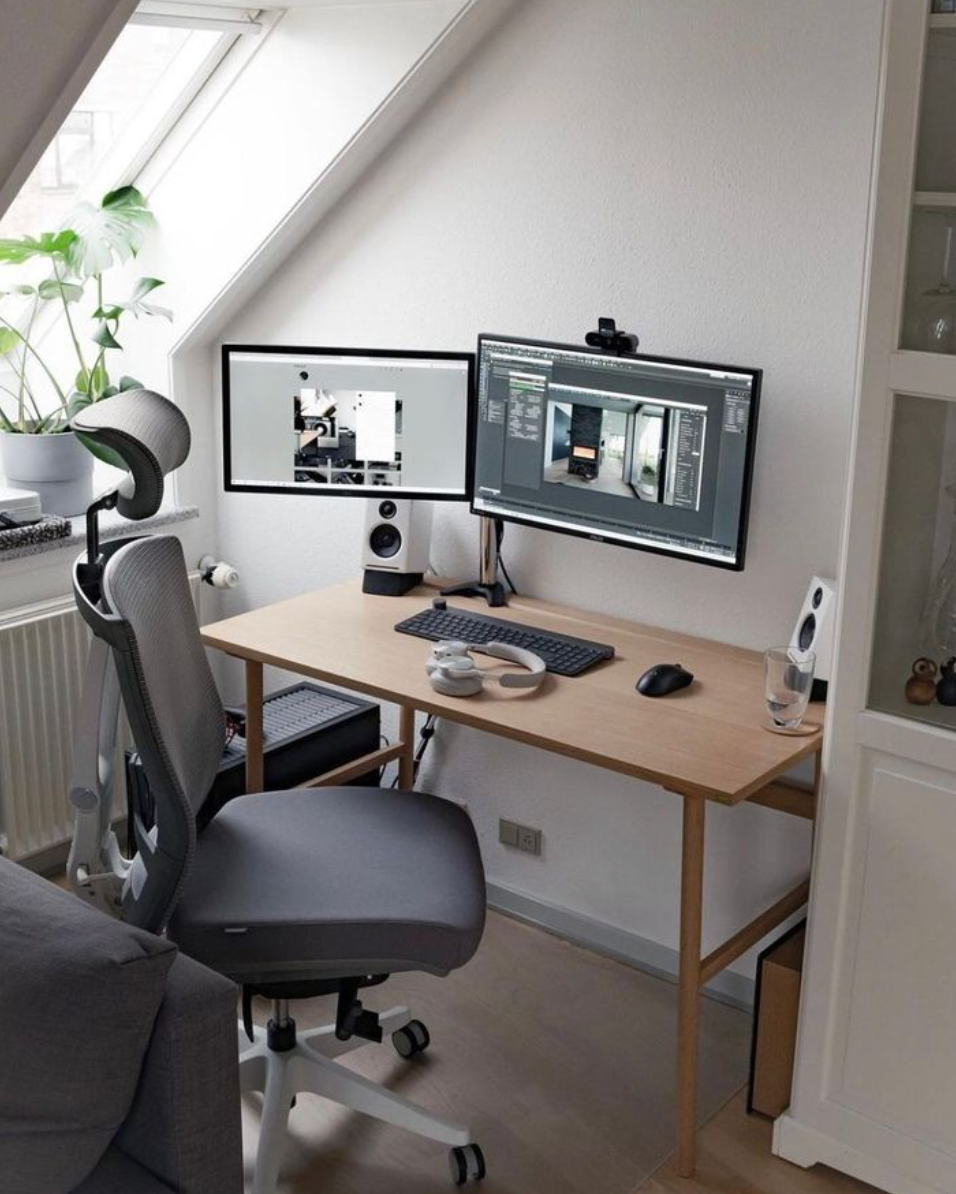
Step 4: Set Up Your Remote Work Environment
Working from your bed sounds great until your back gives up and your productivity crashes. Remote work requires intentional setup - even if minimal.
The non-negotiables:
A reliable internet connection - ideally broadband with a mobile hotspot as backup.
A dedicated workspace - doesn't have to be a home office; even a clean desk helps your brain switch to "work mode".
A decent laptop - doesn't need to be expensive, but it needs to be functional.
Basic productivity tools - Google Workspace, Notion, Slack, Zoom (most are free).
Step 5: Price Your Work and Handle Payments
Two things beginners consistently get wrong - underpricing themselves and not knowing how to receive money professionally.
On pricing: Don't start at rock-bottom rates thinking it'll get you clients faster. It attracts the wrong clients and sets a bad precedent. Research market rates, factor in your experience level, and price with some confidence.
On payments:
If you're working with Indian clients, UPI and bank transfers work fine.
For international clients, you'll need:
Wise (formerly TransferWise) - low fees, great exchange rates.
Payoneer - widely accepted on freelance platforms.
Razorpay / PayPal - for invoicing.
Factors | Wise | Payoneer | PayPal |
|---|---|---|---|
Best For | International transfers at low cost | Freelance platforms & marketplace payouts | Quick invoicing, small domestic + international payments |
Transfer Fees | 0.4%–1.5% of transfer amount - one of the lowest available | 1%–3% depending on source; free between Payoneer accounts | 3.5%–4.5% + fixed fee; among the highest |
Currency Conversion Fee | Mid-market rate + small % - highly transparent | 2% above mid-market rate | 3%–4% above mid-market rate |
Transfer Speed | A few hours to 1–2 business days | 2–5 business days typically | Instant to PayPal balance; 3–5 days to Indian bank |
Withdrawal to Indian Bank | Direct INR transfer to bank account | Via local bank transfer or Payoneer Mastercard | Withdraw to bank - can take 3–5 working days |
Platform Compatibility | Independent - client sends directly | Upwork, Fiverr, Airbnb, Amazon, and 2000+ platforms | Widely accepted - invoicing, Fiverr, many global clients |
Ease of Setup | Simple KYC - easy for Indian freelancers | Straightforward - slightly more documentation needed | Easiest to set up - most people already have an account |
Ease of Use | Clean app - very beginner friendly | Functional but interface feels dated | Familiar and intuitive for most users |
INR Support | Yes - receives and converts to INR directly | Yes - converts on withdrawal | Yes - but conversion rates are poor |
GST Invoice Support | No built-in invoicing | Basic invoicing available | Yes - invoicing built in |
Customer Support | Good - chat and email | Average - response times can be slow | Mixed - known for account freezes and dispute delays |
Account Freeze Risk | Low | Low to medium | High - PayPal is known to freeze accounts with unusual activity |
Verdict | Best overall for cost-conscious freelancers receiving international payments | Best if your clients pay via platforms like Upwork or Fiverr | Best only if your client insists on it - avoid as primary method |
Step 6: Build a Simple Daily System
Remote work without structure is just unemployment with a laptop.
The biggest reason people fail at remote work early on isn't skill - it's discipline. You don't need a rigid schedule. You need a repeatable system:
Set clear start and end times for your workday.
Use time blocks for deep work vs. admin tasks.
Take actual breaks where you physically move (not doom-scrolling breaks).
Track your tasks daily - even a simple to-do list works.
The truth about working remotely in India
A few honest truths before you go all in:
It takes longer than you expect to get your first client: Most beginners give up in the first 3-4 weeks. The ones who persist past the initial hiccup usually find traction.
Internet in India can be unreliable: Have a backup plan - a mobile data plan with sufficient data as a hotspot is essential.
Tax is a thing: Once you start earning, even as a freelancer, you're liable to file income tax. GST applies if your annual income crosses ₹20 lakhs for services.
Loneliness is real: Working from home or while traveling can get isolating. Build in social touchpoints - co-working spaces, communities, meetups, and the like.
Quick Recap - Your Remote Work Starting Checklist
Identify and develop a marketable remote skill.
Build a basic portfolio with 2–3 samples.
Choose one freelance platform or job board to focus on.
Set up a functional, distraction-free workspace.
Understand how to price yourself and receive payments.
Build a daily work routine and stick to it.
Learn the basics of tax compliance.
Final Thought
Remote work in India isn't a trend anymore - it's a legitimate career path that thousands of people hope to build quietly and successfully. The barrier isn't location, or language, or even skill level. It's usually just not knowing where to start.
Now you do.
Comments